Source Eco Friendly Plus Size Denim Jeans for Retail
Explore 30 listings for eco friendly plus size denim jeans featuring high waist, straight, and loose styles. Compare specifications including materials like polyester cotton denim, various sizes from XS to 8XL, and origins in Guangdong to find suitable wholesale options.
Key considerations
Products List



Comprehensive Sourcing Guide
Eco Friendly Plus Size Denim Jeans Sourcing Guide
Sourcing eco-friendly plus size denim jeans requires navigating a complex landscape where material composition and sizing standards intersect with sustainability claims. Buyers must verify that the denim fabric explicitly meets environmental criteria while accommodating extended size ranges, as standard sizing often excludes larger body types. The observed product data indicates a strong presence of denim and polyester cotton blends, with specific models offering extensive size charts up to 8XL, which is critical for inclusive plus-size procurement.
Procurement teams should prioritize suppliers who demonstrate transparency in their weaving processes and dyeing methods, as these steps significantly impact the environmental footprint of the final garment. The availability of customization options allows buyers to tailor fit and finish without compromising on the core eco-friendly attributes of the material. It is essential to confirm that the "eco-friendly" designation is backed by verifiable data regarding water usage and chemical management rather than relying solely on marketing terminology.
Product Scope and Observed Listing Signals
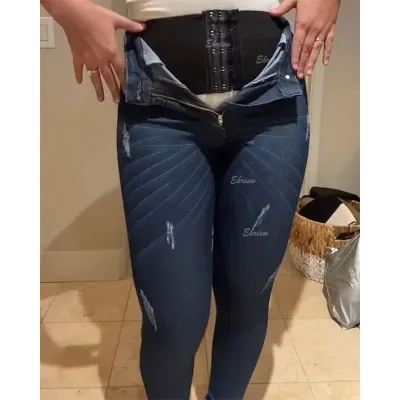
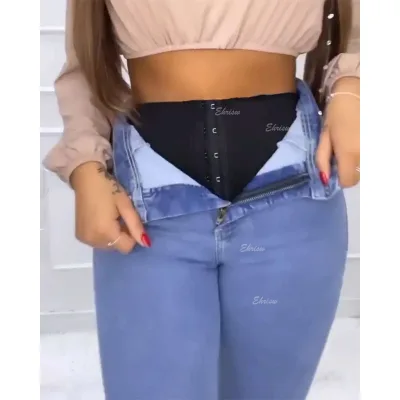
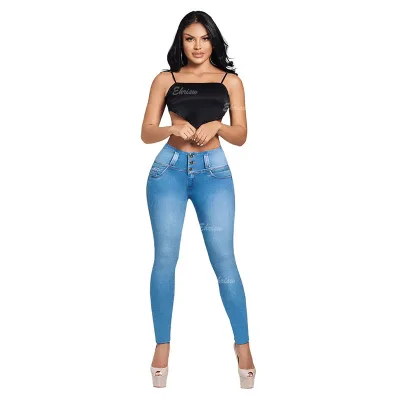
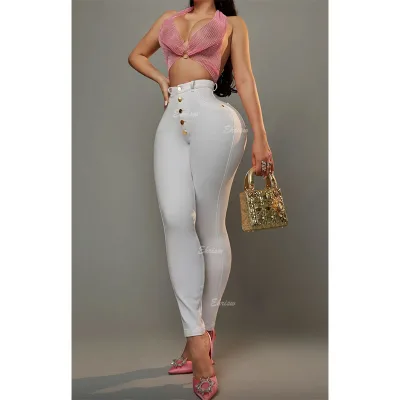
The current market listings reveal a diverse range of denim products, including long pants and shorts, with styles ranging from high-waisted and straight cuts to skinny and loose fits. Observed models such as 020A1-003 and WJ2351 demonstrate that manufacturers are actively producing garments in various colors like black, gray, and light blue, alongside specific decorative methods like color spraying. This variety suggests that buyers can source eco-friendly options across different aesthetic preferences while maintaining the structural integrity required for plus-size durability.
Packaging and origin data indicate that many suppliers are based in Guangdong and Guangzhou, utilizing single packs or PE bags and cartons for shipping. The presence of specific dimensions like 530×290×370mm for certain models highlights the need for buyers to verify packaging efficiency to reduce waste, a key component of eco-friendly sourcing. While some listings mention summer or spring/autumn seasons, the core material remains denim, ensuring that the product scope covers year-round wearability for diverse climates.
Technical Specifications to Verify
Buyers must rigorously verify the material composition, as the observed data lists both pure denim and polyester cotton denim blends. The weaving process, specifically noted as "tinselled" in some listings, requires validation to ensure it aligns with sustainable manufacturing practices that minimize fiber loss and energy consumption. Confirming the exact fiber ratio is crucial, as high polyester content can detract from the biodegradability and breathability expected of eco-friendly denim products.
Size standardization is another critical technical specification, with observed ranges extending from XS to 8XL across different models. Procurement teams should ensure that the size charts provided by the supplier are consistent and accurately reflect the intended plus-size market, as inconsistencies can lead to high return rates. Additionally, verifying the pants length specifications, whether long pants or shorts, ensures the final product meets the functional requirements of the target demographic without requiring extensive alterations.
Compliance and Safety Documentation
While specific certifications like GOTS are mentioned in background notes, buyers must demand current, valid documentation for any eco-friendly claims made by suppliers. The absence of explicit certification data in the primary product facts necessitates a proactive approach where buyers request third-party test reports for chemical usage, particularly regarding the dyed colors like apricot yellow and color-sprayed finishes. Without these documents, the "eco-friendly" label remains unverified and potentially misleading for B2B buyers committed to genuine sustainability.
Safety documentation should also cover the physical integrity of the garments, ensuring that the multiple pocket designs and high-waist styles do not compromise the structural safety of the fabric. Buyers should verify that the production standards, such as the listed size ranges, are met without the use of hazardous substances that could pose risks to workers or end-users. It is imperative to establish a clear protocol for auditing these documents before finalizing any purchase order to mitigate compliance risks.
Cost Drivers and Commercial Terms
The observed price range of 0.9 to 28.5 USD indicates significant variability driven by material quality, customization levels, and order volume. Buyers should analyze how the inclusion of eco-friendly materials and extended size ranges impacts the base cost, as these factors often increase production complexity and material expenses. Understanding the relationship between the Minimum Order Quantity (MOQ), which ranges from 1 to 300 units, and the unit price is essential for optimizing budget allocation while maintaining sustainable sourcing goals.
Commercial terms must clearly define the responsibilities for packaging and shipping, given the diverse options from single packs to aviation shipping. The origin locations in Guangdong and Guangzhou suggest specific logistics considerations that may affect lead times and freight costs. Buyers should negotiate terms that account for the potential need for specialized packaging to protect the integrity of the denim during transit, ensuring that the eco-friendly attributes are not compromised by damage or excessive waste during the supply chain.
Supplier Qualification and Quality Control
Supplier qualification should focus on verifying the consistency of their production capabilities, particularly regarding the wide range of sizes and styles observed in the listings. Buyers must assess whether the supplier can consistently deliver the specified models, such as 020A1-036 or WJ2314, with the required eco-friendly material standards and size accuracy. A robust quality control plan should include random sampling to check for defects in the multiple pocket designs and the durability of the high-waist construction.
Quality control protocols must also address the consistency of the dyeing and decorative methods, ensuring that colors like black, gray, and apricot yellow remain stable and safe. Suppliers should demonstrate their ability to maintain the "tinselled" weaving process without introducing inconsistencies that could affect the garment's performance. Establishing a clear feedback loop for quality issues is vital, especially when dealing with complex plus-size garments where fit and finish are paramount to customer satisfaction.
Long-Term Procurement Checks
Long-term procurement success depends on the supplier's ability to maintain consistent quality and sustainability standards over time. Buyers should implement regular audits to ensure that the eco-friendly claims remain valid as production scales or as new models are introduced. This includes verifying that the material composition and weaving processes have not shifted to less sustainable alternatives in pursuit of cost reductions or faster lead times.
Building a resilient supply chain requires ongoing communication regarding the evolution of plus-size denim trends and regulatory changes. Buyers should monitor the supplier's adaptability to new size standards and material innovations to ensure the product line remains competitive and compliant. Establishing a long-term partnership based on shared values of sustainability and quality will help mitigate risks and ensure a steady supply of high-performance denim jeans for the plus-size market.
FAQs
What customization options are available for plus size denim jeans?
Customization is available for these denim jeans, allowing buyers to tailor specific attributes to their needs. The product line supports various styles including high waist, straight, skinny, and loose fits. Buyers can select from multiple colors such as black, gray, light blue, and apricot yellow. This flexibility ensures that the final product aligns with specific brand requirements and target audience preferences.
Which sizes are offered for the plus size denim jeans?
The denim jeans are available in a wide range of sizes to accommodate plus size requirements. Standard sizing includes XS, S, M, L, XL, 2XL, 3XL, 4XL, 5XL, 6XL, 7XL, and 8XL. Some specific models offer a free size option. This extensive size range ensures that manufacturers can meet diverse body type needs across different global markets effectively.
Can I find eco friendly plus size denim jeans with multiple pockets?
Yes, multiple pocket designs are a standard feature for these denim jeans. The product specifications highlight multiple pockets as a key attribute, enhancing both functionality and style. These jeans are crafted from denim or polyester cotton denim materials. The inclusion of multiple pockets adds practical value for consumers seeking durable and stylish plus size apparel options.
What are the packaging options for bulk orders of denim jeans?
Packaging options vary by model to suit different logistics needs. Some items are packed in single packs, while others use PE bags or cartons. Specific models may utilize shipping aviation packaging standards. These varied packaging methods ensure product protection during transit. Buyers should verify the specific packing details for each model number to align with their supply chain requirements.
Where are these plus size denim jeans manufactured?
These denim jeans are manufactured in Guangdong, China, with specific origins noted in Guangzhou. This region is known for its robust textile and apparel manufacturing capabilities. The proximity to major ports facilitates efficient export logistics. Buyers sourcing from this location can benefit from established supply chains and competitive production environments for denim apparel.
What materials are used to make these plus size denim jeans?
The primary material used is denim, with some models utilizing polyester cotton denim blends. These materials offer durability and comfort suitable for various seasons, including summer and spring/autumn. The weaving process may include tinselled techniques for specific textures. These material choices ensure the jeans meet quality standards while providing the desired aesthetic and functional properties for consumers.